
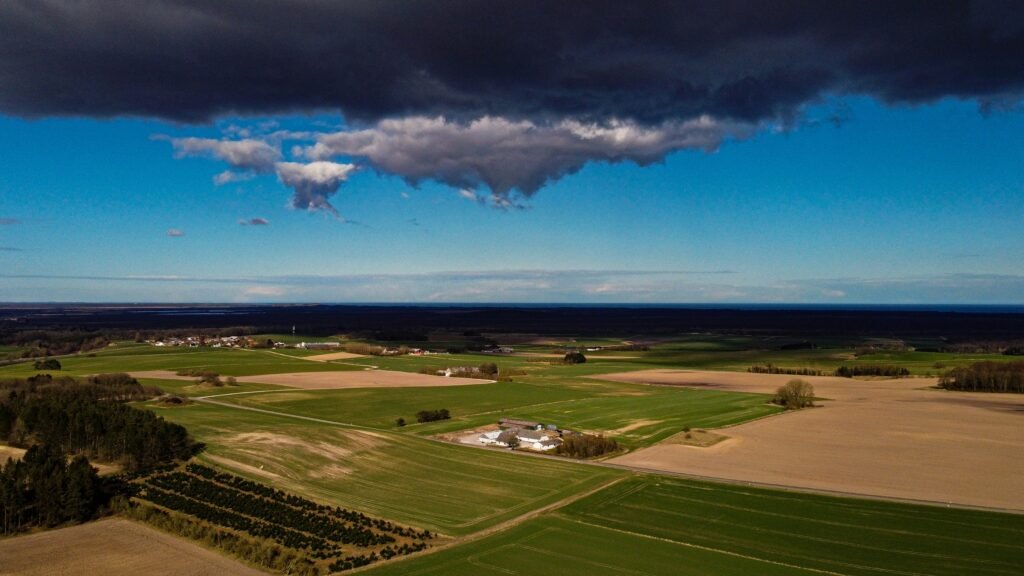
Understanding Weather Patterns
In Bangladesh, the climate plays a crucial role in shaping the agriculture sector. The country’s weather consists of distinct seasons, primarily influenced by monsoon rains, dry spells, and occasional floods. These weather patterns directly affect farming activities, determining when crops can be planted, cultivated, and harvested.
Effect of Weather on Crop Yield
Farmers in Bangladesh face numerous challenges due to unpredictable weather changes. For instance, excessive rainfall can lead to flooding, ruining entire fields of rice or other crops. Conversely, a prolonged dry season can cause drought, severely impacting crop yield and farmer livelihoods. Understanding the weather forecast becomes essential for farmers to ensure their crops thrive.
Adapting Farming Practices
To combat the adverse effects of weather on agriculture, farmers in Bangladesh are adapting their practices. Techniques such as crop rotation, selecting climate-resilient crop varieties, and implementing rainwater harvesting systems are becoming increasingly popular. These methods not only mitigate the impact of adverse weather conditions but also contribute to sustainable farming practices.