
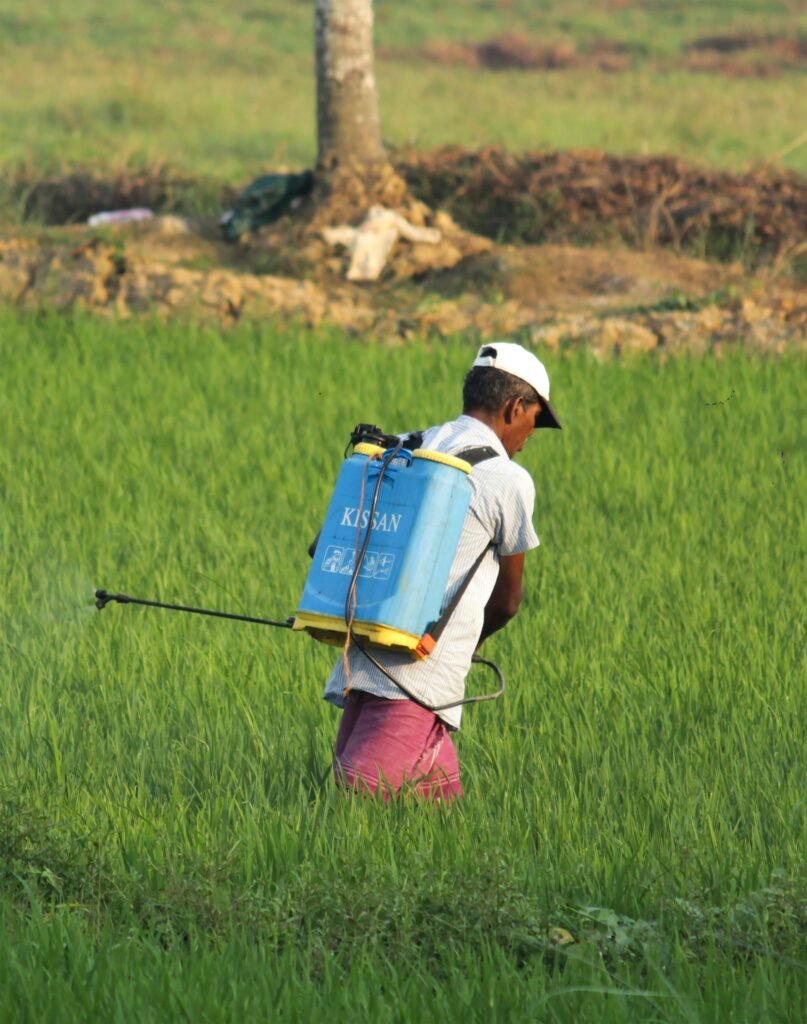
Understanding Harmless Pesticides: Definition and Benefits
Harmless pesticides, often referred to as biopesticides, are derived from natural materials such as plants, bacteria, and minerals. Unlike their conventional counterparts, these pesticides pose minimal risk to human health and the environment, making them an essential component of sustainable agriculture. The primary distinction lies in their composition; while conventional pesticides are synthetic chemicals designed to eradicate pests, harmless pesticides focus on effective pest management through natural means.
The benefits of using harmless pesticides in farming practices are substantial, particularly in countries like Bangladesh, where sustainable agriculture is crucial for food security and environmental conservation. Firstly, these biopesticides significantly reduce toxicity, ensuring that the produce remains safe for human consumption. This is particularly relevant in the context of public health, as harmful residues from conventional pesticides can lead to health issues for consumers.
Moreover, the use of harmless pesticides contributes to lower environmental impact. Traditional agriculture often leads to soil degradation and loss of biodiversity due to the indiscriminate use of harmful chemicals. In contrast, harmless pesticides enhance soil health, promoting microbial activity and nutrient cycling. This not only fosters a more resilient agricultural ecosystem but also facilitates long-term productivity.
Another noteworthy aspect is the ability of harmless pesticides to control pests effectively without harming beneficial insects, which play a crucial role in pollination and pest control. By selectively targeting harmful organisms, these pesticides align with the principles of integrated pest management, resulting in a balanced and sustainable approach to farming.
Types of Harmless Pesticides and Their Applications
In the pursuit of sustainable and healthy farming practices in Bangladesh, the utilization of harmless pesticides has gained increasing importance. Organic options such as neem oil, diatomaceous earth, and insecticidal soaps are at the forefront of this movement. Each of these alternatives offers various applications tailored to specific pest management needs.
Neem oil, derived from the seeds of the neem tree, is well-regarded for its effectiveness against a wide range of pests. It disrupts the life cycle of insects by interfering with their hormonal systems, making it particularly effective against aphids, whiteflies, and spider mites. For farmers, a typical application involves diluting neem oil in water and spraying it directly onto affected plants, ensuring coverage on both the upper and lower leaf surfaces.
Diatomaceous earth, composed of fossilized algae, acts as a physical barrier to pests rather than a chemical treatment. The abrasive particles can desiccate soft-bodied insects like slugs and fleas. To apply diatomaceous earth, farmers should sprinkle the powder around plants and in gardening areas, taking care to reapply it after rain or watering to maintain its efficacy.
Insecticidal soaps work by suffocating insects that come into contact with them. These soaps are particularly effective against soft-bodied pests such as aphids, mealybugs, and scale insects. When using insecticidal soap, it is crucial to spray during cooler parts of the day to prevent harming beneficial insects and the plants themselves. Proper application entails a thorough misting of the plant surfaces, focusing on areas known to harbor pests.
Choosing the right pesticide for specific pest control needs is vital for successful farming practices. By understanding how each type of harmless pesticide targets specific pests, farmers can effectively integrate these tools into their agricultural strategies. This careful selection process ensures that farming can remain productive while safeguarding health and environmental integrity.
Implementing harmless pesticides in agriculture necessitates careful attention to various practices to ensure effectiveness and sustainability in farming. The timing of application is crucial; farmers should apply these substances early in the morning or late in the afternoon when beneficial insects are inactive, minimizing harm to non-target species. Furthermore, the weather plays a vital role; applying treatments when temperatures are moderate can enhance their efficacy while reducing volatility and drift.
Integrating harmless pesticides with integrated pest management (IPM) strategies is paramount. Combining them with cultural practices, such as crop rotation and biological control, can enhance pest control while promoting a healthy farming environment. This holistic approach not only addresses immediate pest problems but also fosters long-term agricultural health, ensuring that crops remain robust and resilient.
Additionally, monitoring pest populations is essential for effective pesticide use. Farmers should engage in regular scouting to assess pest numbers and the presence of beneficial organisms. This monitoring enables timely interventions with harmless pesticides, reducing the risk of over-application and promoting a balanced ecosystem. By understanding the dynamics of pest populations, farmers can make informed decisions, ensuring that their agricultural practices remain effective without compromising the health of surrounding ecosystems.
Education and training play an indispensable role in the adoption of harmless pesticides. Farmers should seek out resources and workshops that focus on proper handling, application techniques, and the benefits of sustainable practices in agriculture. Authorities and agricultural organizations in Bangladesh can facilitate this by providing educational materials that emphasize the importance of these practices in fostering healthy farming. Through such initiatives, the responsible use of harmless pesticides can be promoted effectively, leading to improved agricultural outcomes and enhanced environmental sustainability.
Success Stories: Real-World Examples of Harmless Pesticides in Action
In Bangladesh, the shift towards sustainable farming practices has transformed agricultural landscapes, with numerous farmers embracing harmless pesticides to enhance crop yield and foster pest resistance. One notable success story involves a cooperative of rice farmers from the Barisal district who adopted a unique blend of plant-based pesticides derived from neem and garlic. As a result, they reported up to a 30% increase in crop health compared to conventional farming methods.
Interviews with these farmers reveal a collective sense of empowerment as they transitioned to these eco-friendly alternatives. Farmer Rahim stated, “By using harmless pesticides, we have not only improved our crop yield but also cultivated a healthier ecosystem around our fields. The biodiversity has increased, attracting beneficial insects that aid with pollination.”This sentiment is echoed by many within the community, indicating a positive shift towards sustainable agriculture.
Further illustrating this trend, a study conducted by the Bangladesh Agricultural Research Institute (BARI) highlighted the effectiveness of harmless pesticides. The research documented that crops treated with these natural solutions showed significantly fewer pest-related damages and maintained overall vigor. With reduced reliance on chemical pesticides, the farming community experiences reduced health risks, thereby promoting healthier lifestyles.
Another farmer, Amina, who operates a vegetable farm, shared her experience: “Switching to harmless pesticides allowed me to ensure that my produce is not only healthy for my family but also safe for customers. The demand for organically grown vegetables has skyrocketed since I eliminated harmful chemicals from my farming practices.”This testimonial showcases the growing acceptance of sustainable farming methods and the economic viability it offers to farmers seeking to preserve their land and health.